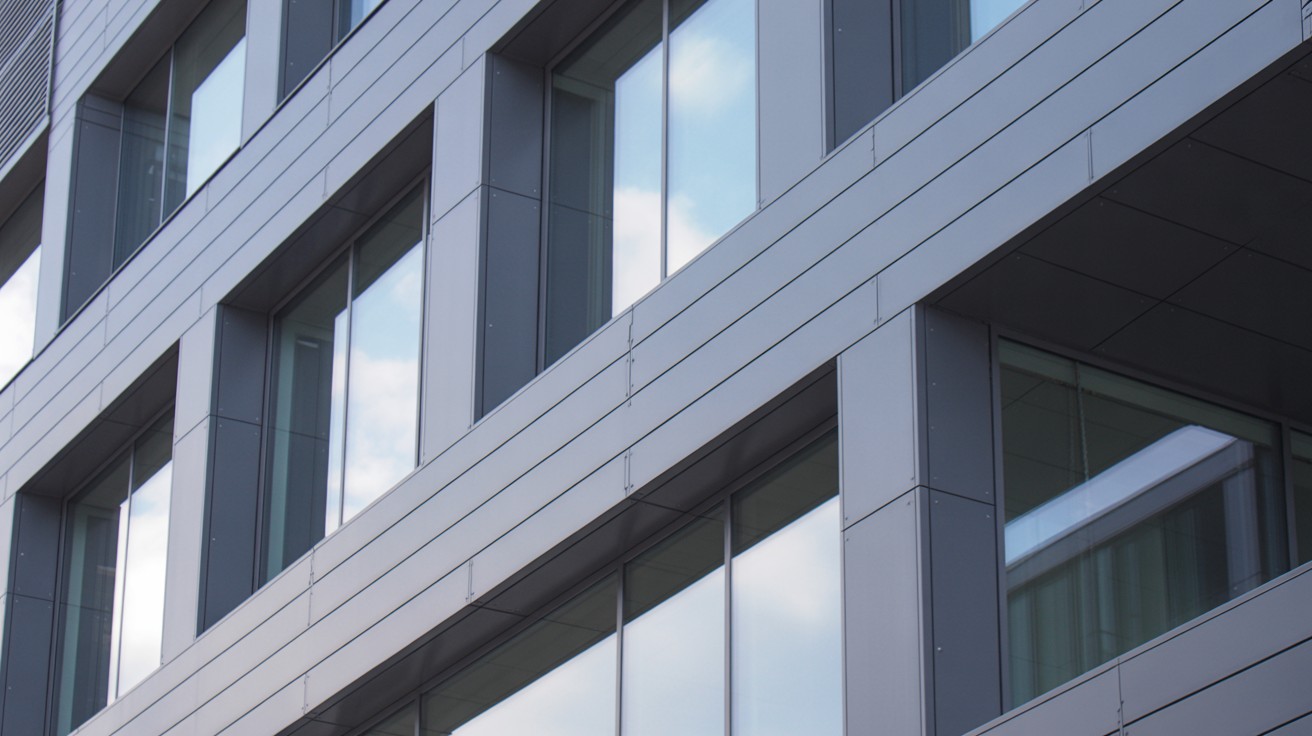
External Cladding Systems
Your Building Envelope Is Only as Good as Its Weakest Panel. We Install and Repair External Cladding That Performs.
The walls of your building take as much weather punishment as the roof. We install, repair, and replace external cladding systems that protect the structure, improve thermal performance, and transform the building\'s appearance.
Failing Cladding Is More Than an Eyesore
Damaged, deteriorating, or poorly installed cladding lets water into your building envelope. Once moisture reaches the insulation and structural frame, the damage accelerates: corrosion, rot, mould, and energy loss that costs thousands every year.
Fire safety is now a critical concern too. Post-Grenfell legislation means building owners must understand what cladding is on their building and whether it meets current fire regulations. Non-compliant cladding can affect insurance, sale value, and legal liability.
We survey, specify, and install cladding systems that perform: thermally, structurally, and aesthetically.
Signs Your Cladding Needs Attention
- Panels bowing, cracking, or delaminating
- Sealant joints between panels failing or missing
- Water staining on internal walls behind cladding
- Visible corrosion on metal cladding fixings
- Insulation behind panels saturated with water
- Fire safety concerns about cladding materials
What We Deliver
Complete external cladding solutions, from survey and specification to supply and installation.
Weather Protection
External cladding is your building's first line of defence against wind-driven rain. We install systems that keep water out of the structure and insulation behind.
Thermal Improvement
Insulated cladding systems dramatically improve your building's U-values, cutting heating costs and helping meet current energy performance regulations.
Aesthetic Transformation
Over-cladding a tired building is faster and cheaper than demolition and rebuild. New cladding transforms the appearance and extends the building's useful life by decades.
Fire-Rated Options
Post-Grenfell, cladding fire safety is non-negotiable. We specify and install A1 and A2-rated non-combustible cladding systems that comply with current Building Regulations.
Multiple Material Options
Composite panels, aluminium rainscreen, zinc, copper, timber, fibre cement: we specify the right material for your building type, location, and budget.
Integrated Weatherproofing
Because we understand waterproofing, we detail the interface between cladding and roof properly. No water tracking from one system into the other.
Cladding Systems We Install
Commonly Asked Questions
Can you over-clad an existing building without disrupting the occupants?
Yes. Over-cladding is fitted to the outside of the building, so internal operations continue as normal. We work from scaffolding or MEWP access. The existing cladding or masonry stays in place and the new system goes over the top, with new insulation and a ventilated cavity.
What about fire safety compliance for cladding?
Since the Grenfell Tower fire and the subsequent Building Safety Act, all new cladding on buildings over 18 metres must use A1 or A2-rated non-combustible materials. For buildings under 18 metres, we still recommend non-combustible options wherever possible. We can advise on your specific obligations.
Do you repair damaged cladding panels?
Yes. We replace individual damaged panels, reseal joints, replace failed fixings, and refurbish existing cladding systems. If only a few panels are damaged, a targeted repair is far more cost-effective than full re-cladding.
What types of cladding do you install?
Composite insulated panels (Kingspan, Tata, Euroclad), aluminium and zinc rainscreen cassettes, flat and profiled metal cladding, fibre cement boards (Marley Eternit, Cedral), timber cladding (larch, cedar, Accoya), and UPVC cladding for smaller-scale works.
How much does external cladding cost?
Composite insulated panels typically cost £50–£90 per m² installed. Rainscreen cladding systems range from £80–£150 per m² depending on material and complexity. We provide fixed-price quotations after survey and specification.
What Our Clients Say
“We’d been patching the same warehouse roof for three years. Vanguard assessed it, specified a full overlay system, and delivered it in two weeks. Fixed price, no extras, full documentation. Exactly what we needed.”
Facilities Manager
Facilities Management, Accor Hotels Group
“Our metal roof was corroding and leaking in multiple places. Vanguard’s coating system extended its life by at least 15 years at a fraction of the replacement cost.”
Operations Director
Industrial, Manufacturing Facility, Birmingham
Trusted By Leading Organisations